
Organize Browser Tabs into Freelance Client Workspaces
Freelance work can place several client portals, research pages and deliverables in one browser. A workspace per client makes the next action visible and reduces accidental cross-client sharing.

Define a client workspace
Create a clear boundary using a browser profile, window, tab group or named saved session. Choose the strongest separation required by client agreements and account access. Color alone is a reminder, not a privacy control.
Keep a short index with the project goal, approved communication channel, current deliverable and next deadline. This index becomes the entry point instead of a random tab.
Keep only active project links
Organize links by purpose: brief, source material, working document, delivery location and administration. Remove outdated drafts from the active set or label them clearly so the wrong version is not sent.
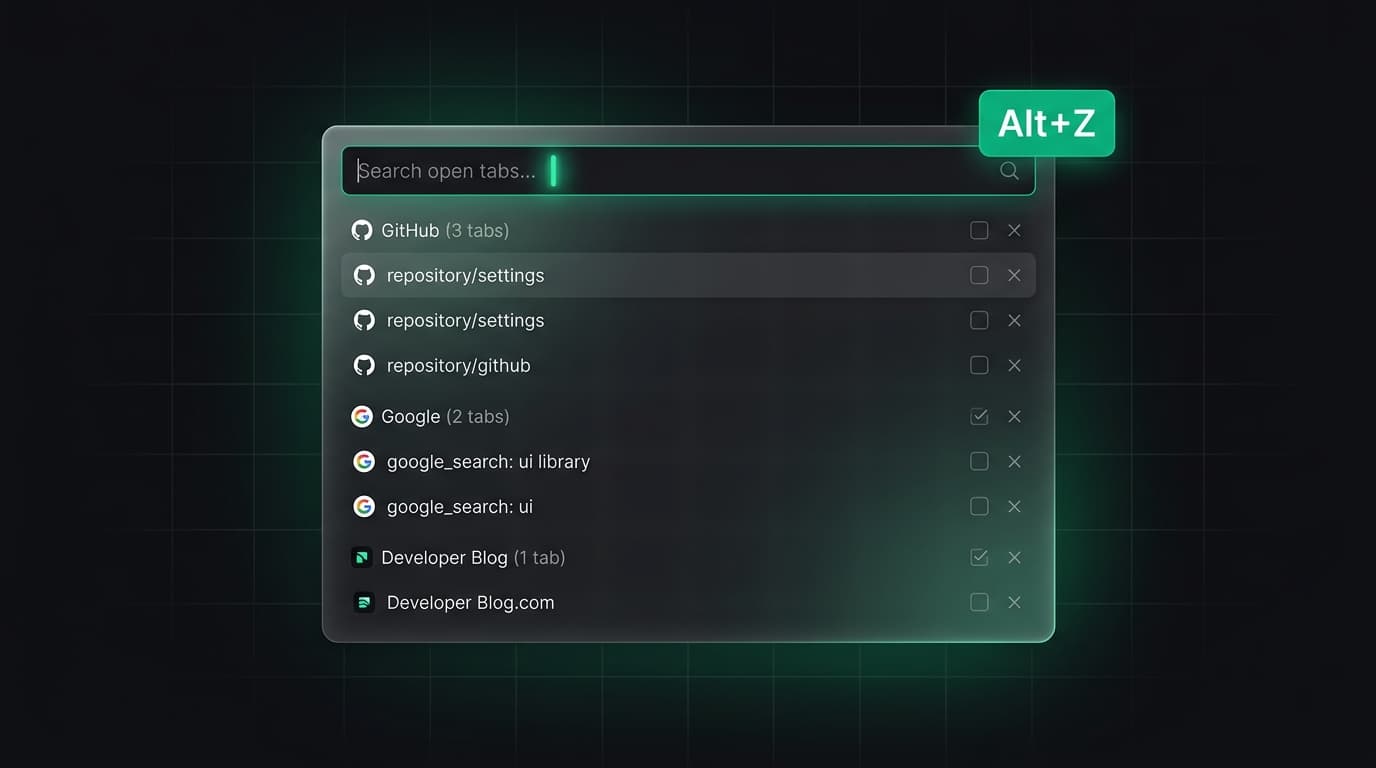
A page title may expose a client or project name in tab search and browser history. Use the minimum necessary detail on shared devices and follow contractual handling requirements.
Attach decisions to their sources
When research changes the deliverable, record the decision and the source that informed it. Note whether the information came from the client's brief, an official reference or your own recommendation.
This distinction helps when feedback arrives later. You can explain the basis of the work without reconstructing a week of browsing from history.
Prepare a safe handoff
Before sharing your screen or a link bundle, close other client workspaces and inspect permissions on every document. A link that opens for you may expose a personal account path or remain inaccessible to the client.
Deliver the final file with a concise note describing what changed, what requires review and which source is authoritative. Do not make the client interpret a folder of tabs.
Idea: a weekly client dashboard
Create one note listing each active client, next action, deadline and workspace link. Open a client's detailed sources only when working on that project. Update the dashboard during a scheduled weekly review.
This makes workload visible without keeping every client window open. It also reveals projects that are blocked because they lack a clear next action.
Archive without losing accountability
At project completion, retain the final deliverable, approved source list and decision history according to the agreement. Remove temporary pages, duplicate downloads and access that is no longer required.
Test the archive by reopening its main note. It should explain the outcome without depending on browser history or a tab that only exists on one computer.
Tabzero: Browser Tab Manager & Notes
Save tab links, keep notes beside your sources, and return to what matters. Tabzero is in development preview; AI Notes remains planned.
Related guides
A Job Search Tab Workflow That Keeps Applications Clear
Organize job listings, company research, application drafts, and interview preparation with a small set of browser tabs and notes.
Turn Competitive Research Tabs into an Evidence Matrix
Compare products using consistent criteria, dated primary sources, and explicit gaps instead of relying on a wall of browser tabs.
A Browser Tab Workflow for Customer Support Cases
Keep support tickets, documentation, account tools, and investigation notes separated by case while protecting customer information.