
How to Evaluate Sora 2 Video AI Claims with Better Sources
Interest in Sora 2 and AI video generation is growing, but a useful evaluation needs more than a feature list. This guide turns the topic into a source-backed research workflow you can review, repeat and update.
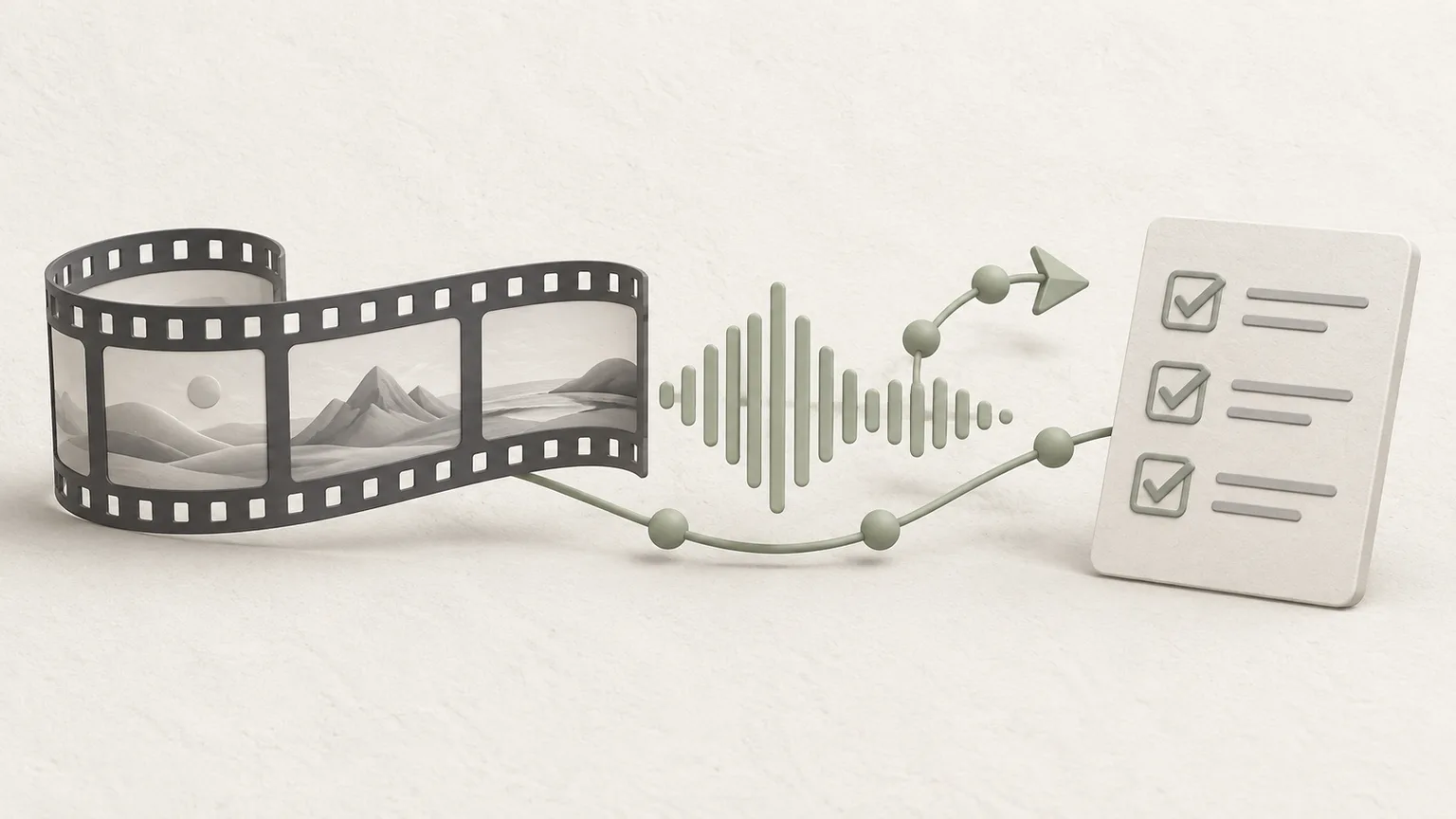
Define what you need to learn about Sora 2 and AI video generation
Coverage of this topic often emphasizes cinematic output, synchronized audio, physical consistency and longer multi-shot generation. Treat those points as claims to investigate, not conclusions to repeat. Start with one decision: whether to test the product, adopt it for a workflow, or simply monitor its development.
Write the decision at the top of a research note and add this question: Which reported capabilities are available in a documented product today, under which plan, region and output limits? A focused question prevents a broad news topic from turning into an unstructured collection of tabs.
Build a source set before writing a conclusion
Collect official release notes, current product documentation, an accessible model card, independent test clips with prompts, and export metadata. Prefer the organization responsible for the product or research for capability and availability claims, then use independent evidence for behavior, usability and comparison.
Save the exact pages that support the decision rather than every search result. Record publication or access dates for changing specifications, prices and availability. Keep a note when a source is promotional, preliminary or missing enough detail to reproduce the claim.

Separate reported capability from observed evidence
The main evaluation risk is this: A polished demo can hide failed generations, editing after the model output, cherry-picked prompts, unavailable controls or a product version that readers cannot access. Label product claims, independent observations and your own inference separately so readers can see how the conclusion was formed.
Do not use a citation merely because it mentions the same topic. Open the source, find the passage that supports the statement and narrow the sentence if the evidence is weaker than the original wording. Preserve uncertainty when access or documentation is incomplete.
Run a small repeatable evaluation
Use a fixed storyboard with motion, dialogue, object permanence and camera changes. Keep every prompt and failed result, then compare consistency and usable output rather than selecting one attractive clip. Define success before running the test so a surprising output does not cause the criteria to change afterward.
Keep inputs, settings, version identifiers, outputs and failures together. Repeat enough cases to reveal inconsistency, but avoid turning a small internal test into a universal benchmark. State the hardware, account tier and tool access that could change the result.
Turn the evidence into a decision note
Write the current answer first, followed by supporting evidence, limitations and the next review date. Link each material claim to the source that directly supports it. Put open questions in a separate section rather than filling gaps with confident language.
If another topic emerges, create a related note instead of expanding the current document indefinitely. A small set of connected notes makes it easier to update one claim when a model, API or product policy changes.
Keep the article current and useful
Before publishing, verify the title, product version, date and availability against a current source. Remove claims you cannot support. Explain whether the piece is a hands-on test, a documentation review or an editorial workflow; those are different kinds of evidence.
Revisit the note when official documentation changes. Update the conclusion and modification date, preserve the reason for the change and avoid silently rewriting a prediction as if it had always been confirmed.
Tabzero: Browser Tab Manager & Notes
Save tab links, keep notes beside your sources, and return to what matters. Tabzero is in development preview; AI Notes remains planned.
Related guides
How to Save Open Tabs Before Restarting Chrome
Save the tabs that matter before a Chrome restart, record the task context, and verify what can and cannot be restored afterward.
Browser Session Backup Checklist: What Is Actually Saved?
Check URLs, note content, exports, account sync and live page state before calling a browser session safely backed up.
Pinned Tabs vs Saved Sessions: A Practical Browser Workflow
Learn when to pin a browser tab, group active work, bookmark a durable page or save a complete session with notes.