
Chrome Reading List vs Bookmarks vs Saved Sessions
A page you want to read, a reference you want to keep and a project you want to resume are three different jobs. Chrome Reading List, bookmarks and saved sessions work best when each is used for its own job.

Use Reading List for a page you intend to read
Chrome's Reading List is a queue for individual pages. On desktop, open the page, choose More, then Bookmarks and lists, Reading list and Add tab to reading list. You can also right-click a tab and choose Add tab to reading list. Return to the list from the same menu or its side panel.
An article to read this weekend belongs here. Once you have read it, remove it or keep the lasting reference elsewhere. Adding every research page to Reading List makes the queue harder to finish and does not preserve your conclusion about those pages.
Use bookmarks for durable destinations
Bookmark a page you expect to revisit by itself: official product documentation, a client portal or a reference that stays useful after the current task ends. Give folders names that describe a stable area of work rather than the date you discovered the link.
A bookmark preserves a destination, not the decision you reached while reading it. If the meaning of the link depends on a specific project, record that meaning in a note and link to the page from there.
Use a saved session for work you will resume
A session is a collection of related sources plus the reason they are together. For example, a buying decision may need three product pages, a comparison sheet and a note recording the criteria. The note tells you what remains when you return after several days.
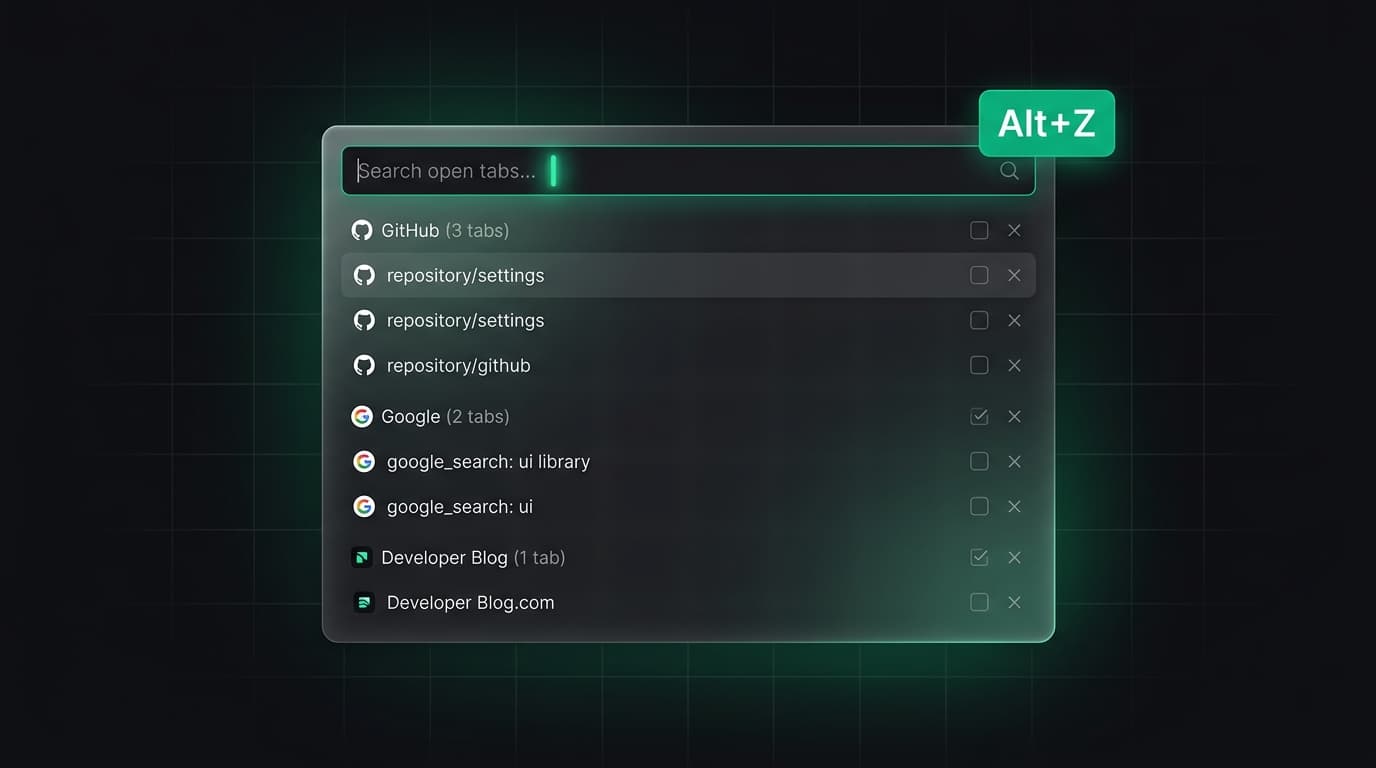
In Tabzero, select the tabs relevant to a task and save their links to a note. Write the current result and next step in the same note. Open a few representative links afterward to confirm the sources were saved. This is a development preview workflow, so check availability before relying on it for critical work.
Choose with one question
Ask what you expect to do next. 'Read this page' points to Reading List. 'Return to this site repeatedly' points to a bookmark. 'Pick up this multi-page task' points to a saved session and note. A page can appear in more than one place when it has more than one role, but each copy should have a clear purpose.
If you are keeping ten tabs open because you do not know which tool to use, write one sentence describing the task first. That sentence usually makes the choice obvious and provides a useful session title.
Check the offline and recovery limits
Reading List is a way to return to a page, not a substitute for downloading that page. Chrome's desktop help describes a separate Save page as action for offline reading. A bookmark and a session link also depend on the page remaining available and your access to it.
For a document that must be preserved exactly, use the site's export option or a suitable archival process. For work in progress, save drafts in the original application. Then test one saved link and one note before closing the source tabs.
Tabzero: Browser Tab Manager & Notes
Save tab links, keep notes beside your sources, and return to what matters. Tabzero is in development preview; AI Notes remains planned.
Related guides
Pinned Tabs vs Saved Sessions: A Practical Browser Workflow
Learn when to pin a browser tab, group active work, bookmark a durable page or save a complete session with notes.
Tab Groups vs Bookmarks vs Session Managers: Which Should You Use?
Compare Chrome tab groups, bookmarks and session managers by lifespan, context, recovery and privacy so each browsing task goes to the right place.
Chrome Scripting API: Read a Page Only When Needed
Use chrome.scripting.executeScript with activeTab or host access, understand injection limits, and build a reviewable page-capture flow.