
Chrome Memory Saver and Too Many Tabs: A Practical Fix
A crowded browser can feel slow for several different reasons. Chrome Memory Saver can deactivate unused tabs, but it does not decide which pages still matter to your task. Use the performance setting and a short tab review together.

Check what Chrome is already doing
Open Chrome Settings, choose Performance, and inspect Memory Saver. Chrome offers Moderate, Balanced and Maximum deactivation levels. An inactive tab reloads when you return to it, so record unfinished form data or fragile page state before relying on the browser to preserve it.
Hover over tabs to inspect the memory-usage preview if it is enabled in Appearance settings. A large number beside one page is a clue, not a verdict: an active meeting, editor or document may need resources for legitimate work. Compare the behavior of the computer before and after closing a known unused page.
Protect pages that must remain active
Chrome does not deactivate some tabs during activities such as audio or video playback, screen sharing, active downloads, partially filled forms and connected-device use. You can add a site to Always keep these sites active when its background behavior is important.
Use that exception sparingly. Adding every site defeats the purpose of Memory Saver. Review exceptions after a project ends, especially if a temporary dashboard or collaboration tool no longer needs background activity.
Sort open tabs by purpose
Make three quick passes: pages needed now, sources worth revisiting, and pages with no clear next action. Keep the first group open. Save a link and a one-sentence reason for the second group. Close the third only after checking for drafts, uploads or other unsaved work.
A tab title alone often fails to explain why the page mattered. A short note such as 'compare warranty terms before Friday' makes the saved link more useful than keeping it open indefinitely.
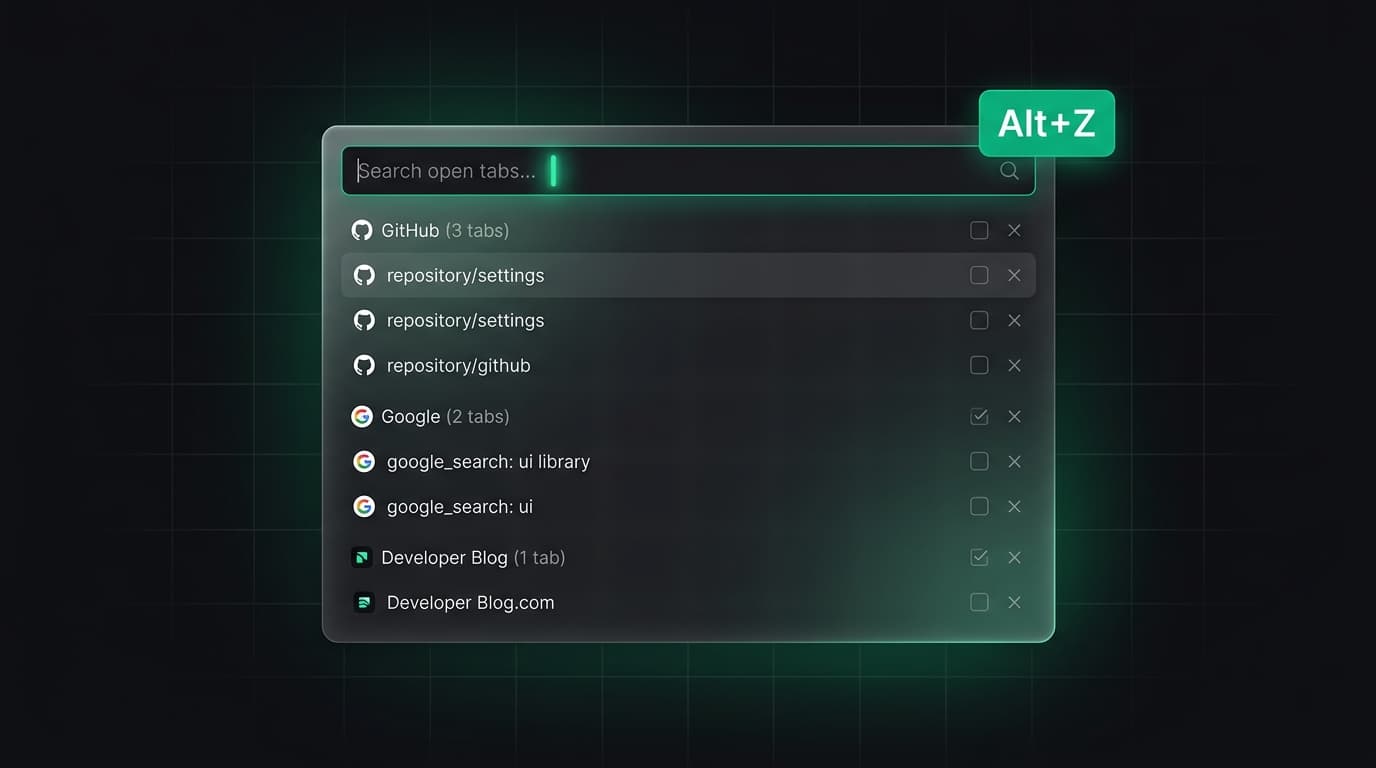
Measure whether the change helped
Notice whether tab switching, typing and page loading become smoother after a small cleanup. If the problem persists, inspect other applications, extension activity and the specific site instead of assuming every open tab is equally responsible.
Avoid a single dramatic close-all step. Small batches preserve context and make it easier to discover which page or workflow caused the slowdown.
Idea: a weekly tab review
At the end of each week, choose one project, save its useful links with a decision note, and close only the pages whose purpose is clear. Reopen the note next week to continue. This turns memory cleanup into a repeatable planning habit.
Keep any source URL beside the note rather than copying only a screenshot or title. A saved source can be checked again if the underlying page changes.
Know the limits
Memory Saver reduces resources used by eligible inactive tabs; it does not back up a browsing session or resolve a faulty extension. A saved list of URLs may also fail to restore sign-in state, a draft form or a page that has moved.
Before restarting Chrome or closing a research window, save the important links and written context. Then test one reopened page so you know what the saved record actually contains.
Tabzero: Browser Tab Manager & Notes
Save tab links, keep notes beside your sources, and return to what matters. Tabzero is in development preview; AI Notes remains planned.
Related guides
Turn Competitive Research Tabs into an Evidence Matrix
Compare products using consistent criteria, dated primary sources, and explicit gaps instead of relying on a wall of browser tabs.
Organize Browser Tabs into Freelance Client Workspaces
Separate client research, deliverables, communication, and next actions so browser tabs do not mix projects or private information.
A Browser Tab Workflow for Customer Support Cases
Keep support tickets, documentation, account tools, and investigation notes separated by case while protecting customer information.