
Prepare for a Meeting with a Five-Link Browser Brief
Meeting preparation often starts with many open documents and ends with a rushed search for the right one. A five-link brief turns those tabs into a useful agenda and leaves a record of decisions afterward.

Start with the decision the meeting should make
Write one sentence describing the outcome: approve a plan, choose an option, identify a blocker or gather feedback. Then select only the sources needed for that outcome. A tab is useful when it answers a specific question, not simply because it was opened during preparation.
A brief might include the agenda, the current proposal, one data source, one alternative and the meeting link. If a sixth page is essential, explain why; the number five is a focus aid, not a technical limit.
Label each link with its role
Beside every URL, add a short label such as 'latest proposal', 'customer evidence' or 'decision record'. Include an access date for information that changes quickly. Prefer the original document over a screenshot when collaborators may need to inspect details.
Check that participants can open shared documents. A perfectly organized set of tabs is still unhelpful if the important source sits behind an account that others cannot use.
Prepare questions and unresolved facts
Separate facts from questions. Record what the sources actually show and what remains uncertain. If numbers conflict, link both sources and state the mismatch before the meeting rather than forcing a confident summary.
Write two or three questions that move the decision forward. A question tied to a source is easier to answer than a vague request for everyone's thoughts.
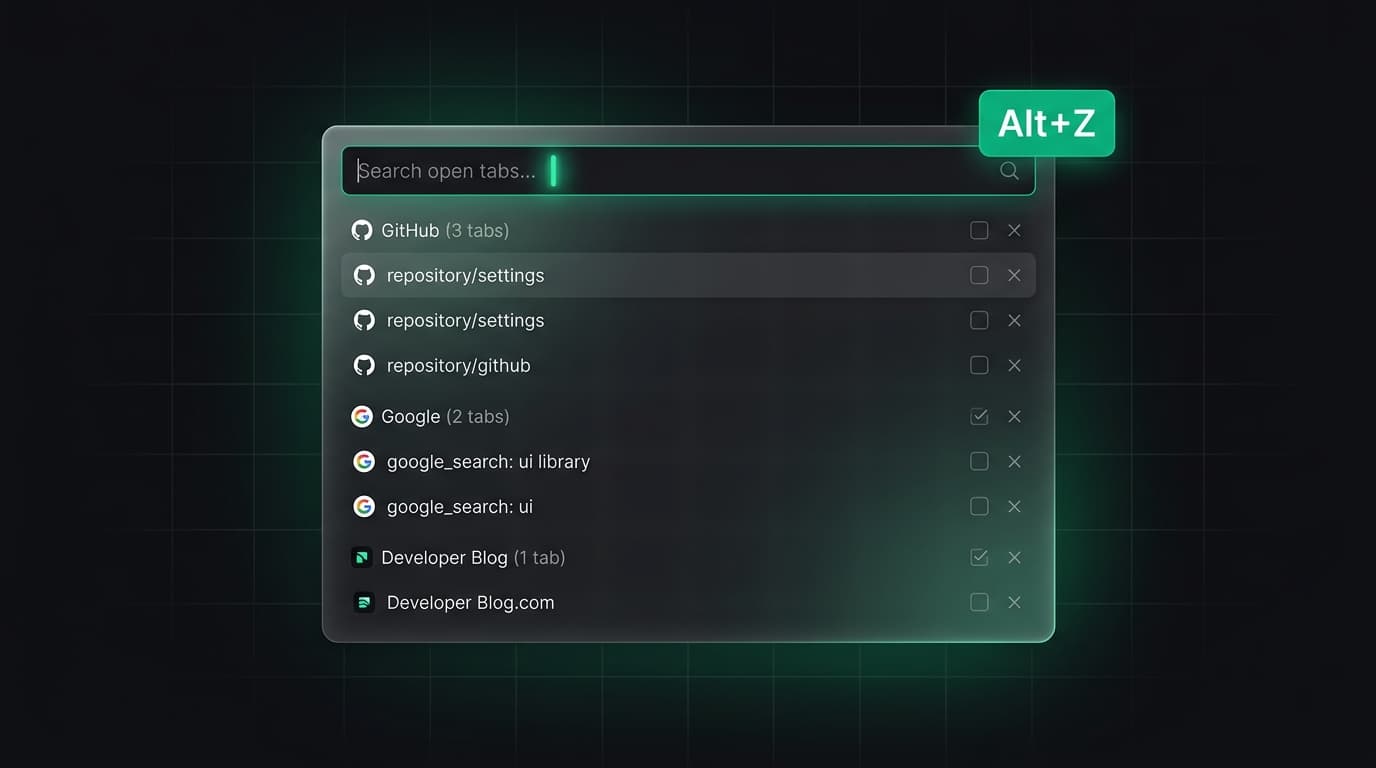
Use a focused window during the call
Keep the meeting link, brief and current source close together. Close unrelated personal or confidential tabs before screen sharing. If you must present a page, verify which window is being shared and whether notifications or account details are visible.
Avoid live tab archaeology while others wait. Open the key documents beforehand and note a fallback URL if a document has access problems.
Idea: turn the brief into a decision log
After the meeting, add the decision, owner, due date and source that supports it. Mark open questions explicitly. This gives the next meeting a useful starting point instead of another pile of tabs and an incomplete memory of what was agreed.
Retire links that no longer matter and keep the authoritative final document. A concise decision log is often more valuable than saving every page opened during discussion.
Check the handoff
Reopen the brief the next day and ask whether someone absent from the meeting could understand the outcome and locate the supporting source. If not, add one sentence of context or replace an ambiguous link.
Do not claim a source says more than it does. If a decision is based partly on judgment, label that judgment separately from the linked evidence.
Tabzero: Browser Tab Manager & Notes
Save tab links, keep notes beside your sources, and return to what matters. Tabzero is in development preview; AI Notes remains planned.
Related guides
Turn Competitive Research Tabs into an Evidence Matrix
Compare products using consistent criteria, dated primary sources, and explicit gaps instead of relying on a wall of browser tabs.
A Browser Tab Workflow for Customer Support Cases
Keep support tickets, documentation, account tools, and investigation notes separated by case while protecting customer information.
Turn Research Tabs into a Clear Content Outline
Convert browser research into claims, supporting sources, open questions, and a practical article outline without losing attribution.