
Chrome Tab Groups Disappeared? A Recovery Checklist
A Chrome tab group can appear to disappear because it was closed, because the browser opened a different profile, or because it was ungrouped or deleted. Check the reversible cases first. The order below avoids making a recoverable situation worse.

Pause before recreating the group
Do not immediately delete similarly named groups or sign out of Chrome. Record the group name, color, approximate time, important page titles and the device where you last saw it. Those details make history and profile checks faster.
Decide whether the tabs disappeared from the strip or the saved group disappeared from Chrome entirely. A collapsed group still appears as a colored label; a closed group leaves the strip but may remain saved.
Check saved groups in two places
First inspect the bookmarks bar for a saved group chip. Then open the Chrome menu and choose Tab groups. Google's current desktop instructions say a closed group is not deleted and can be reopened from either location.
If the bookmarks bar is hidden, that does not mean the group is gone. The menu is the more reliable check, especially on a new window or a layout where the bar is disabled.
Verify the Chrome profile and sync state
Look at the profile avatar and email address. Work, personal and guest profiles keep different browsing data. If the group was created under another profile, switching back may reveal it without any recovery procedure.
Then review Chrome sync settings. Tab groups can follow browsing history and open tabs across devices when those data types are synced. Give a newly signed-in device time to load before concluding that the group was removed.
Search recent tabs and browsing history
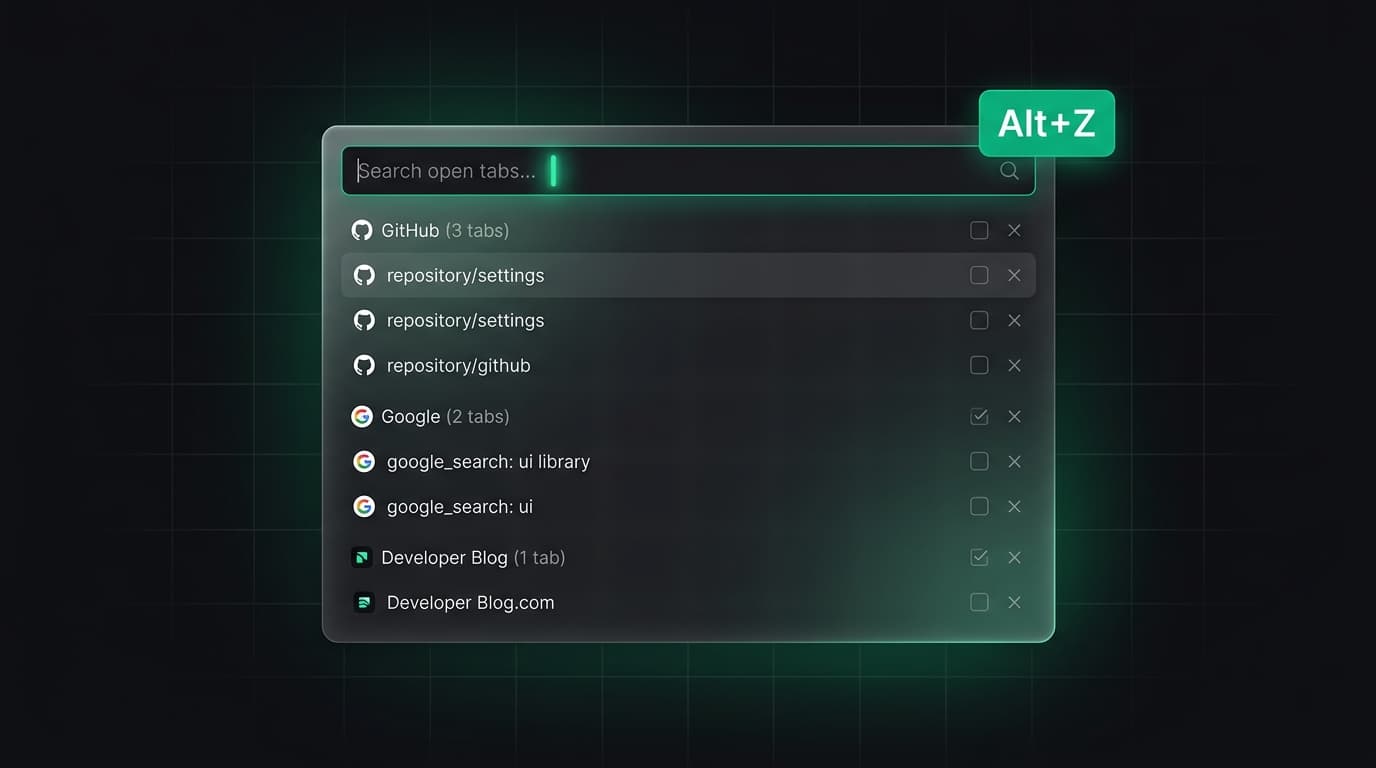
If the saved group is unavailable, open Recent tabs and History. Search for the page titles, domains or topic terms you recorded. Restore the smallest useful set rather than reopening every item from a long window.
History can recover URLs that were visited, but it cannot recreate the group's exact name, order, color or project context. Pages opened in Incognito or excluded from history may also be absent.
Understand the hard limits
If someone chose Delete group, Chrome removes it across devices using the same Google Account. If someone chose Ungroup, the tabs stay open on that device at first, but the group itself is deleted across synced devices. Chrome's help does not promise an undo archive for either action.
Browser history, another device that has not yet changed, or a separate session backup may still help recover individual URLs. Avoid presenting those possibilities as guaranteed recovery of the original group.
Prevent the next loss
Use descriptive names, confirm the active profile and choose Close group for work you intend to resume. For important projects, keep a saved session or note containing the key sources and next action outside the live tab strip.
Test the workflow with a disposable group: create it, close it, find it in the menu and reopen it. A two-minute rehearsal makes the controls familiar before valuable tabs depend on them.
Tabzero: Browser Tab Manager & Notes
Save tab links, keep notes beside your sources, and return to what matters. Tabzero is in development preview; AI Notes remains planned.
Related guides
How to Organize Many Chrome Tabs into Groups Fast
Turn a crowded Chrome window into a few useful tab groups with bulk selection, clear names, duplicate cleanup, and a repeatable maintenance routine.
Chrome Tab Groups vs Separate Windows: Which Is Better?
Compare Chrome tab groups and separate windows for focus, task switching, account separation, recovery, and practical multi-project workflows.
How Chrome Tab Groups Sync Across Devices
Set up Chrome tab-group sync across computers and phones, verify the right account, and understand how closing or deleting a group propagates.