
Organize Competitor SEO Research with Browser Tab Groups
Competitor SEO research becomes noisy when brand homepages, result pages, tools and articles share one browser window. A consistent tab-group structure helps compare like with like and turns observations into ethical content decisions.

Define the comparison question
Choose one query cluster, audience and page type. Comparing a tutorial with a product landing page can reveal different strategies, but it does not show which tutorial is more useful. Write the decision the research should support before opening competitor pages.
Limit the initial sample to a few representative results. More tabs can add false confidence when they repeat the same observation without new evidence.
Use the same tab pattern for each site
Create a group per competitor containing the ranking page, relevant category or hub, supporting article and any primary source it cites. Keep search results and analysis tools in separate groups. Consistent structure makes missing elements visible.
Label observations with the exact URL and access date. Sites change, personalization affects results and a homepage does not represent every content template.
Compare intent and usefulness
Record the reader problem, direct answer, depth, evidence, navigation and next step for every page. Note whether the page provides original experience, a tool, a template or primary data. These qualities matter more than copying a heading count.
Distinguish what you can observe from why you think the page ranks. Search rankings depend on many signals, so avoid presenting one visual pattern as a proven cause.
Trace the internal-link path
Open the pages that meaningfully link to the competitor article and the related pages it links toward. Record anchor text and topic relationship. This reveals whether the page belongs to a coherent cluster or stands alone.
Use the finding to improve navigation for your own readers. Do not reproduce another site's wording or manufacture excessive links simply because a competitor has many.
Idea: a competitor evidence matrix
Create rows for intent match, direct answer, verified sources, unique contribution, update signals and internal-link context. Add your own page as another column. Mark unknowns rather than converting assumptions into scores.
Turn each useful gap into an action: improve an existing section, add a supporting guide, collect first-hand evidence or decide the gap is outside your product's expertise.
Close the research with an original brief
Summarize what readers appear to need, what current pages provide and what your article will contribute. Attach sources for factual claims and list the pages that should link to the new work. Then close the competitor tabs and write from the brief.
A useful outcome is a better answer rooted in your own knowledge and evidence. Publishing a rearranged version of existing results adds little value and creates a fragile page that is difficult to maintain.
Tabzero: Browser Tab Manager & Notes
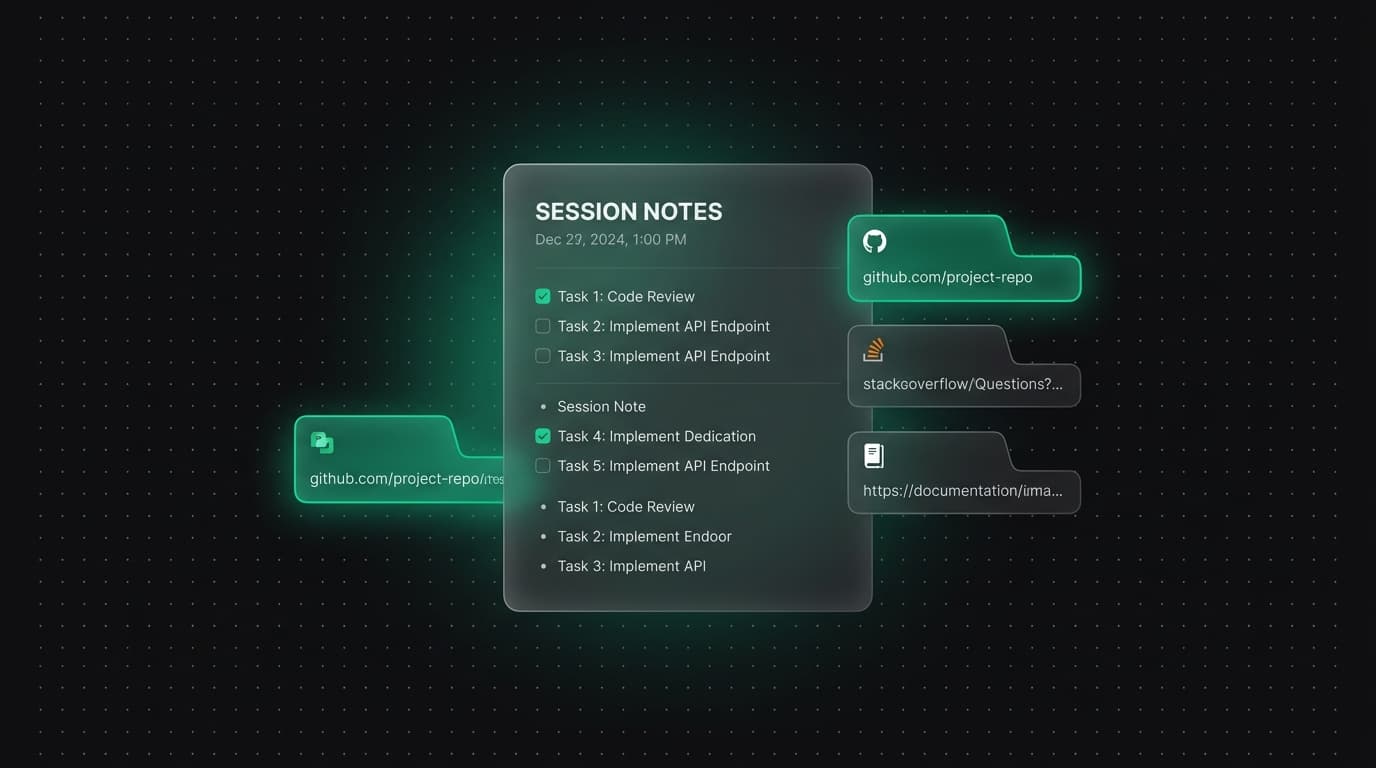
Save tab links, keep notes beside your sources, and return to what matters. Tabzero is in development preview; AI Notes remains planned.
Related guides
Build an SEO Content Brief from Browser Research
Create a content brief with reader intent, verified sources, page structure, internal links, differentiation, and measurable review criteria.
A Browser Tab Workflow for a Technical SEO Audit
Organize crawlability, indexation, canonical, sitemap, structured data, performance, and validation evidence without losing audit context.
Turn Search Console Queries into Useful Content Ideas
Use Search Console pages, queries, impressions, clicks, CTR, and position to prioritize content updates and distinct new articles.